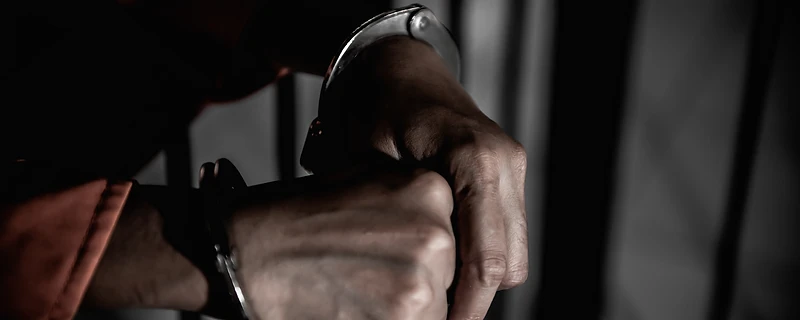
People sometimes make choices. Sometimes forced sometimes for a different reason. Unfortunately, society is harsh and judgmental. But don't we all make the wrong choice sometimes?
The human behind the prisoner
A total of 77 men from 27 different countries. Different cultures, different religions without exception all in custody for the time being. Some even up to 8 years without even seeing a family member. you will not easily see them cry during the day, while their eyes hide their deep sorrow. All longing for home, back to their wives, children or even their mother. Together they live in a community, forced by a single misstep in their lives. Young fathers who, with a great sense of responsibility, sought a quick solution to a financial dilemma. Others maybe as quick money or to finance a standard of living. Unfortunately with enormous consequences that will change their lives and the lives of their loved ones.
Treating prisoners right is important
Treating prisoners with basic human rights is crucial for creating a fair and just criminal justice system. It is not only ethical to provide prisoners with decent living conditions and basic rights, but also beneficial for reducing recidivism rates and promoting successful reentry to society.
Firstly, prisoners are entitled to the basic human rights outlined in the Universal Declaration of Human Rights. All individuals, no matter their criminal history, should be given dignity and treated with respect. Basic human rights, such as access to healthcare, sanitation, and food, are a necessary part of ensuring prisoners are treated humanely. Without access to these basic necessities, prisoners may suffer from malnutrition, illness, or physical harm, which could lead to more severe health issues and even death.
Secondly, treating prisoners with dignity and providing basic human rights can lead to positive outcomes and reduce recidivism rates. When prisoners are treated decently and are given access to education or skill-building programs, they are more likely to return to society as contributing members. On the other hand, prisoners who are not provided with these opportunities or are treated poorly during their time in prison, may struggle to find work, re-integrate into society, or fall back into criminal behavior.
Furthermore, providing prisoners with basic human rights can benefit society as a whole. When prisoners are treated with respect and their basic needs are met, they are less likely to develop a sense of resentment for society or the criminal justice system. This can help to reduce the risk of violence, protests, or riots within the prison community, keeping staff and inmates safe.
In conclusion, treating prisoners with basic human rights is essential for creating a fair and just criminal justice system. It is not only ethical but also necessary for reducing recidivism rates, promoting successful reentry to society, and benefiting society as a whole. By prioritizing the needs of prisoners and respecting their basic rights, we can create a system that is focused on rehabilitation and fostering a safe and supportive environment.